Electronics and fragile items need special care when they go into storage for any length of time. A small mistake in packing can lead to cracked screens, broken parts, or permanent damage. Proper preparation keeps these valuable items safe and working perfectly when retrieved later. Following a clear checklist removes the worry and guesswork from the entire process.
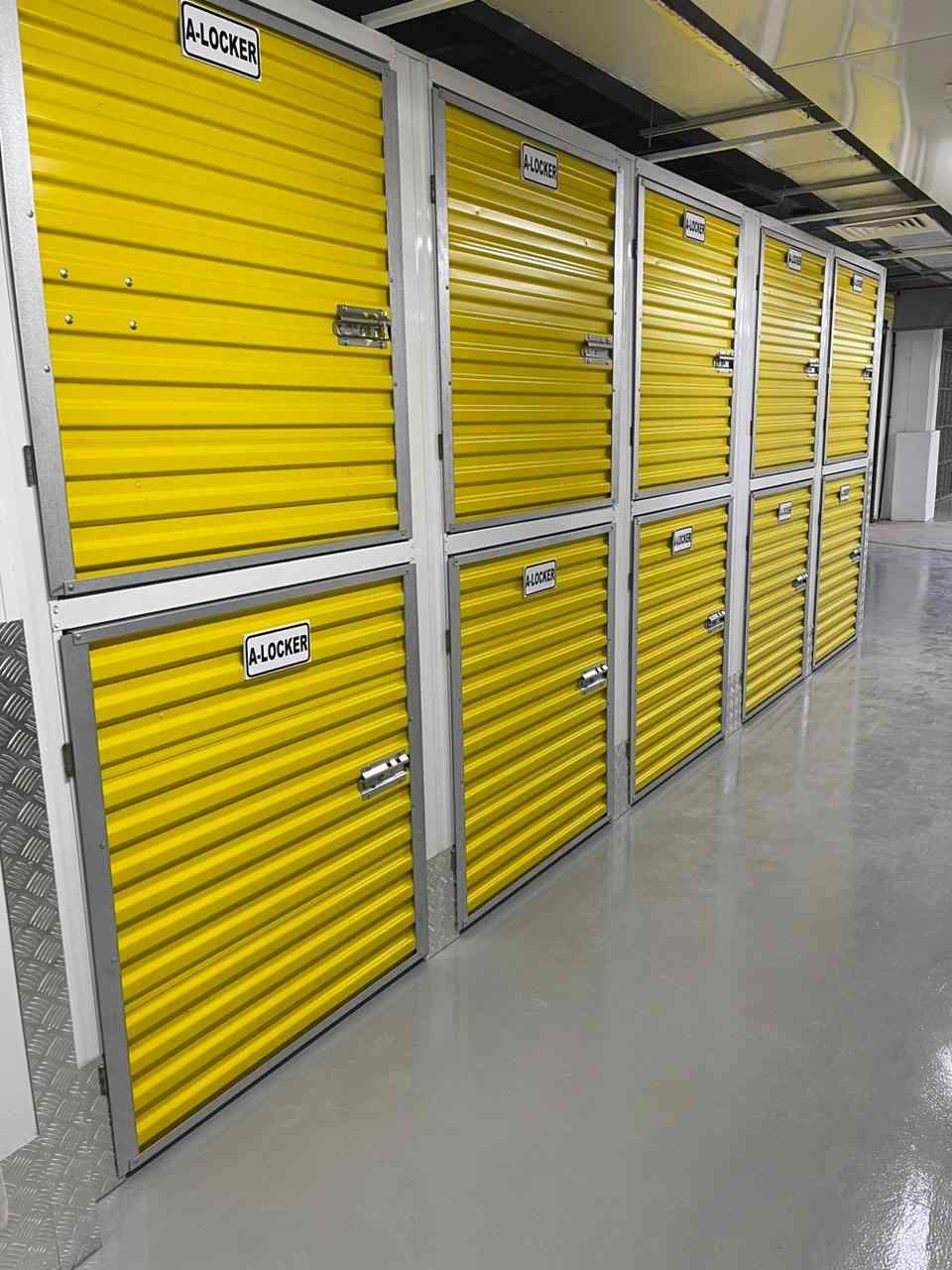
Anyone planning to store precious belongings should consider using a reliable self storage facility that offers clean and secure conditions.
Start with a thorough cleaning:
Dust and small particles are the biggest enemies of electronic devices. Before placing anything into a box, gently wipe down all surfaces using a soft, dry microfiber cloth. For screens, use a specialised cleaner to avoid streaks that can attract more dust.
Ensure every connector port is free of debris using a can of compressed air. Allow all items to sit in a room-temperature space for a few hours so any internal moisture from cleaning evaporates completely.
Gather the correct packing materials:
Using the wrong packing supplies is a common mistake that leads to cracks and breaks. Invest in sturdy, double-walled cardboard boxes that can hold weight without buckling. Bubble wrap with large bubbles offers better shock absorption for heavy electronics, while smaller bubbles work well for glassware. Acid-free tissue paper prevents scratches on polished surfaces.
Stock up on heavy-duty packing tape and corner protectors made of foam or cardboard. Avoid using old newspapers, as the ink can smear and leave permanent stains on light-colored plastics or fabrics.
Wrap each item individually:
Never place two fragile objects together in the same layer of wrapping, as they can knock against each other and cause damage. Wrap each electronic device or glass item separately with at least two inches of bubble wrap, securing the ends with tape.
For televisions and monitors, use a special screen protector film before adding a soft blanket layer. Place each wrapped item inside a plastic bag to guard against any unexpected moisture changes.
Use proper cushioning inside boxes:
Empty spaces inside a box are dangerous, because items can shift and fall during movement. Fill every gap with packing peanuts, crumpled kraft paper, or foam inserts to create a snug fit. Place a thick layer of cushioning at the bottom of the box before adding the first item.
For heavy electronics like printers, position them upright exactly as they would sit on a desk, and add extra padding around the base.