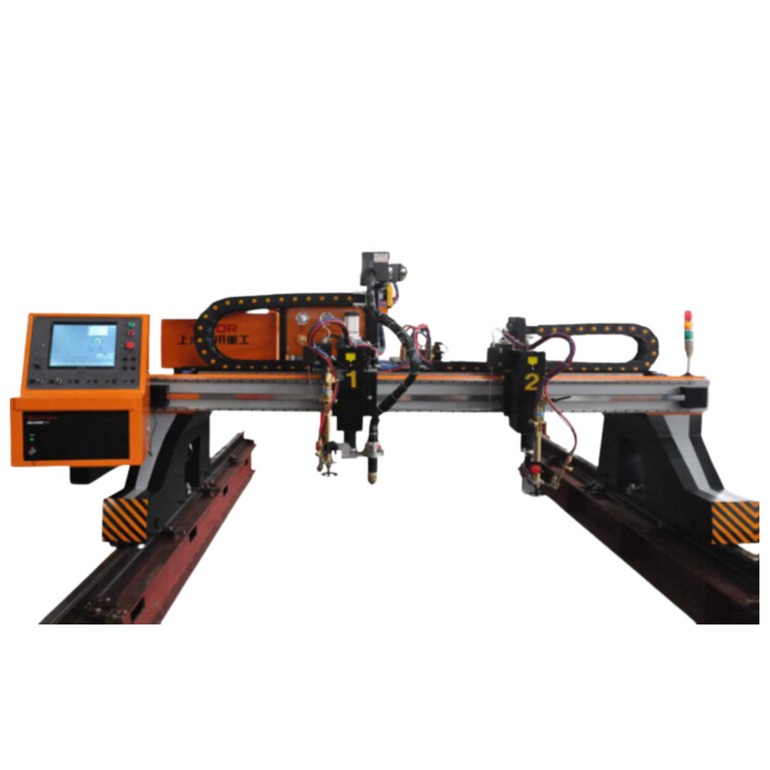
That mirror-like shine on an aluminum part catches the light and tells a story of precision. A dull, scratched, or rough surface screams of wasted material and lost time. Every machinist knows that final look determines the quality of the work. Achieving that flawless surface is a blend of science and practical skill. This guide lays out the exact steps to get perfect finishes in CNC aluminum cutting.
Sharpness matters:
Dull tools cause rubbing. Rubbing creates heat. Heat ruins the surface. Change bits early. Fresh edges slice metal cleanly. This action creates a smooth wall without burrs. A sharp tool pushes away chips with ease.
Speed and feed balance:
Chips must exit the zone fast. If chips stay, they scratch the part. Calculate the chip load correctly. Match the spindle rate to the travel speed. Thick chips carry away heat. Thin chips rub the surface. Proper math creates a mirror finish.
Coolant application:
Flood cooling clears debris. It stops chips from welding to the cutter. Use high pressure to flush the cut path. A clean path prevents tool marks. Keep the metal cold to keep the dimensions accurate. Coolant acts as a lubricant and a cleaner.
Work holding stability:
Parts must stay firm. Any shake ruins the surface. Use solid fixtures. Vacuum tables work well for sheets. Vises hold blocks tight. Rigid setups stop vibrations. Vibration leaves lines on the metal. A still part results in a flat face.
Climb milling strategy:
Conventional milling pushes the tool away. Climb milling pulls the tool in. Climb milling yields a better finish. It leaves a smaller burr. The chip starts thick and ends thin. This method puts less stress on the cutter. Always favor climb milling for final passes.
Tool path planning:
Simple paths look best. Minimize sudden turns. Curves create ripples. Use arc movements for corners. A smooth path keeps the tool force constant. A steady force results in even surfaces. Plan the entry points away from visible faces.
Achieving a clean surface demands patience. Keep the workspace tidy. Audit the machine for loose belts or worn parts. Replace bits when signs of wear show. Test small samples before large runs. Consistency builds reputation in shop work. Quality comes from small, repeated actions. Master these habits to gain professional results on every aluminum project. Every detail counts toward the goal. Focus on these steps to reach the desired outcome.