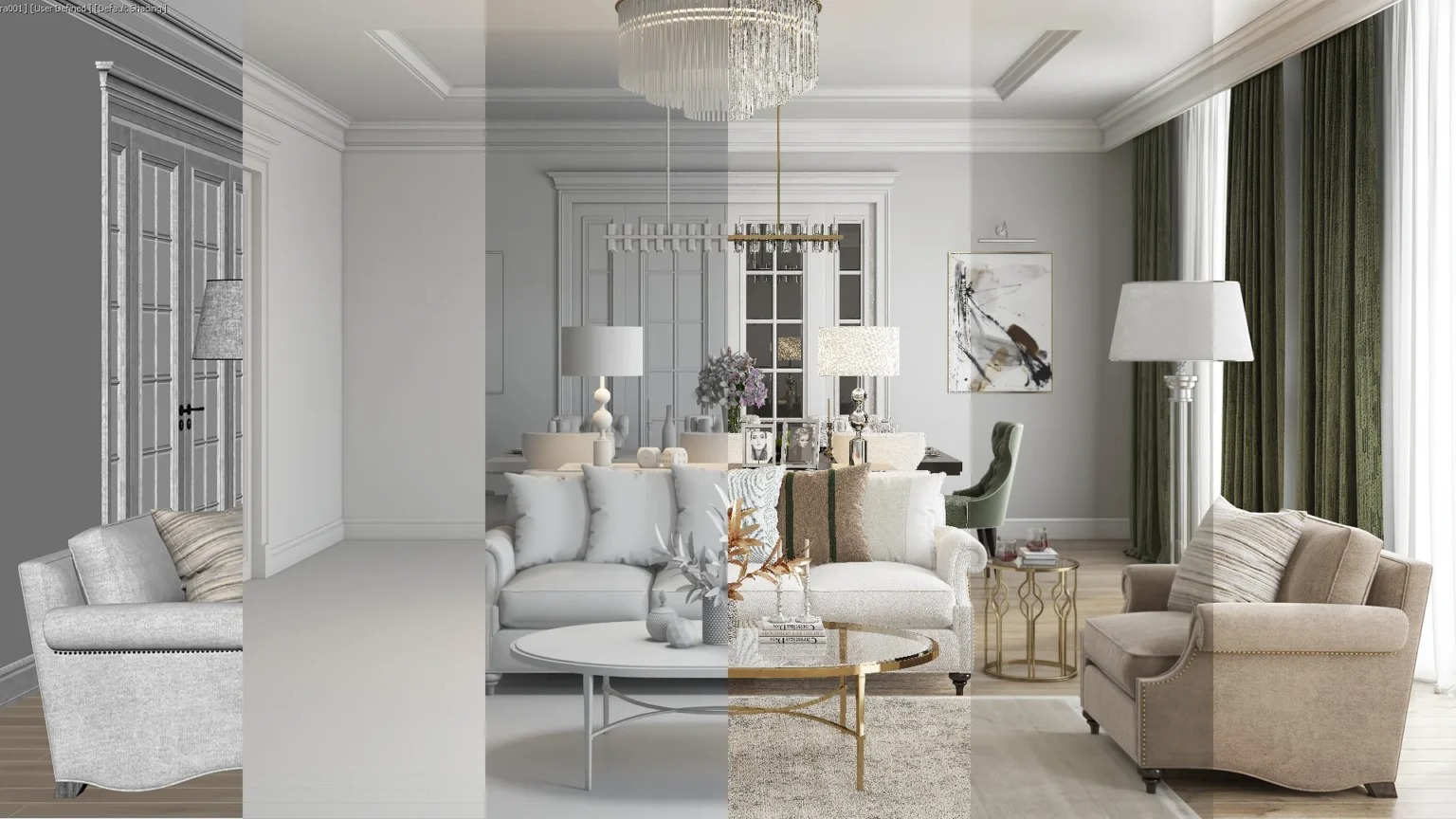
It’s amazing when a digital image can make you pause because it feels real. Even though it’s fully computer-made, every detail looks natural and convincing. This level of realism comes from combining technical skill with artistic sense. Each part of the scene is carefully crafted to create a cohesive whole. Professionals achieve this through the work of a trusted 3D rendering company.
The blueprint of imagination:
Every great visual starts with a conversation and a collection of references. Before any software is opened, the team studies the project brief. They look at floor plans, material samples, and inspiration images. This phase is about understanding the mood. Is the space supposed to feel warm and rustic or cold and futuristic? By gathering all the details first, they build a solid foundation. This planning prevents mistakes later and ensures the final image tells the right story.
The art of lighting and shadows:
Lighting is the secret sauce of realism. A scene can look flat and fake without it. Artists carefully place virtual lights to mimic the sun, ceiling fixtures, or lamps. They study how light bounces off floors and casts soft shadows in corners. This step brings depth and drama. It creates the mood, making a morning scene feel bright and energetic or an evening scene feel cozy and intimate.
Textures that beg to be touched:
A white wall is never just white. It has a slight bump, a sheen, or a roughness. In this stage, artists apply materials to the models. They make wood look grainy, marble look polished, and fabric look soft. By adjusting how light reacts to these surfaces, they add a layer of tactile quality. It is what makes the viewer feel like they could reach out and feel the knitted blanket on the bed.
Composition and camera angles:
Knowing where to place the camera is an art in itself. Artists choose angles that highlight the best features of the design. They follow the rules of photography, considering the rule of thirds and leading lines. A well-chosen angle guides the viewer’s eye through the image, creating a sense of space and scale. It makes the difference between a simple snapshot and a professional photograph.
The final polish:
The last step happens in post-production. Artists take the raw render and bring it into editing software. They adjust the colors, add contrast, and fix small imperfections. Sometimes they add subtle background details like a view through the window. This final polish pulls everything together, ensuring the image has that crisp, clean, and magazine ready look.