Working as a maritime security operator is a role that demands vigilance, discipline, and adaptability in an environment filled with challenges. Each day presents unique responsibilities that are critical to safeguarding vessels and their crews from threats at sea. Below, we break down the key components of this vital profession.
Ensuring Vessel Safety
One of the primary responsibilities of a maritime security operator is to ensure the safety of the ship and its crew. This involves conducting thorough inspections of the vessel to identify any vulnerabilities that could be exploited. Keeping access points secure, monitoring surveillance systems, and maintaining communication channels with the crew are essential elements of this task. Operators must always be alert, as maritime threats can come without warning.
Monitoring for Potential Threats
Operators maintain a vigilant watch to detect and address any potential risks while at sea. From suspicious vessels approaching to signs of piracy or unauthorized boarding attempts, operators must always be prepared to respond. This requires quick thinking, sharp observation skills, and the ability to act decisively under pressure to ensure that risks are mitigated effectively.
Conducting Security Drills
Regularly scheduled security drills are a significant part of the role. These drills prepare the crew for emergency scenarios, ranging from pirate attacks to environmental hazards. Operators lead these drills, ensuring that everyone aboard understands their role during a crisis. Through hands-on practice, crew members can respond cohesively and efficiently if emergencies arise.
Working with Local Authorities
Maritime security operators also play a vital role in coordinating with local authorities, port officials, and other organizations relevant to their operational area. Building strong relationships with these stakeholders helps in adding layers of protection during the ship’s transit. Operators must communicate clearly and professionally during these interactions to facilitate seamless operations.
Managing Security Equipment
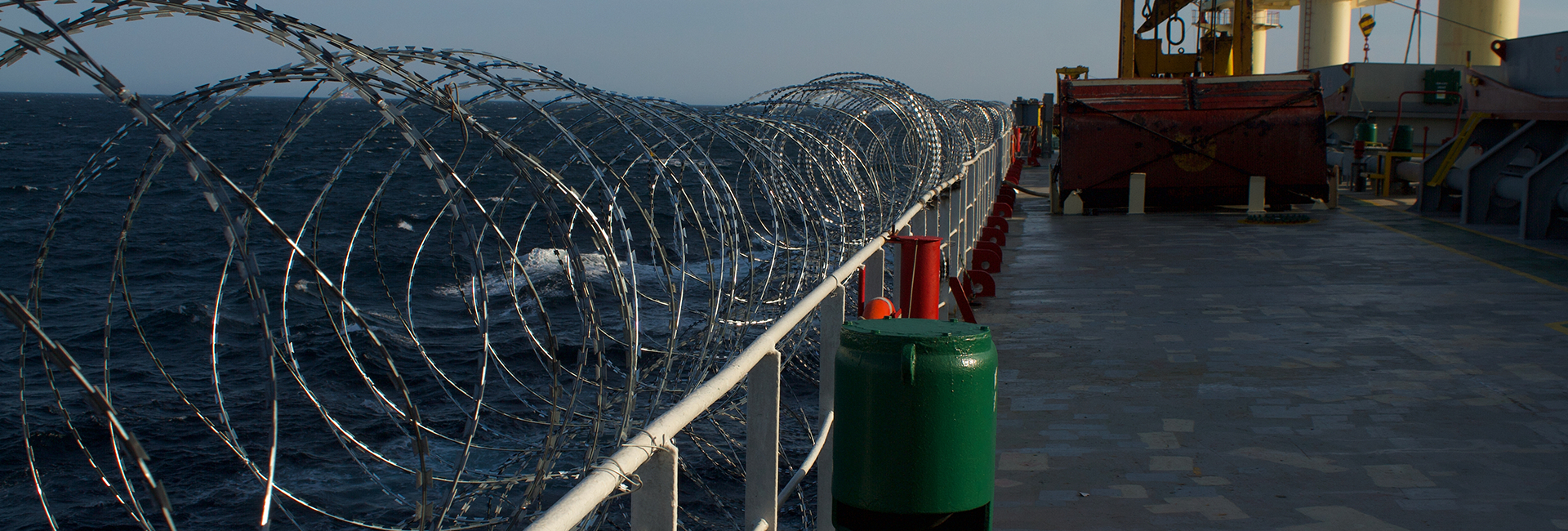
Operators must ensure that all security equipment on board, from communication tools to physical barriers, is functioning optimally. Routine maintenance and timely repairs are critical to preventing equipment failure in critical situations. By maintaining the ship’s defensive tools, operators actively contribute to a robust security posture.
Maritime security operators are frontline defenders who make safe passage possible in international waters. Their expertise and dedication are crucial to maritime safety, making them indispensable in the world of global trade and travel.