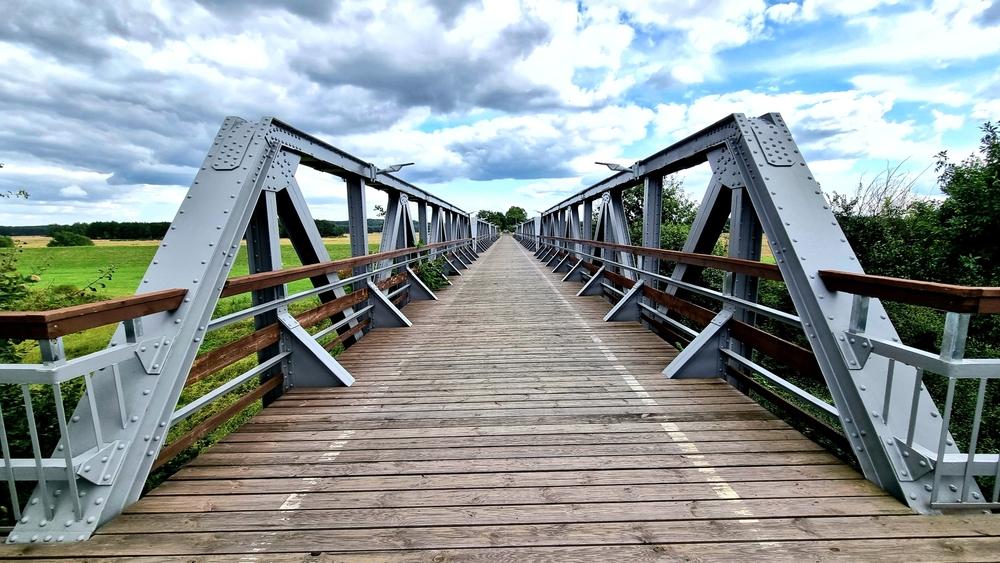
Modern bridges carry heavier traffic loads than ever before. The steel must withstand relentless pressure from cars, trucks, and trains. Ordinary materials fail under these extreme conditions. Stronger alloys provide the answer to these demands.
These advanced metals allow longer spans with less material. The choice of steel defines a bridge’s lifespan and safety. Experienced bridge steel fabricators depend on these superior materials for every project.
Weight reduction
Heavy materials add unnecessary stress to support columns. High strength alloys provide superior load capacity with thinner profiles. This keeps structures lighter while keeping them safe. Less weight on the foundation saves money and time during construction phases.
Corrosion resistance
Outdoor structures battle rain, snow, and humidity daily. Standard iron rusts quickly when exposed to moisture. These advanced metal blends include elements like nickel or chromium. Such additions create a shield against decay. Bridges last decades longer with these protective properties built inside.
Design flexibility
Thin beams open doors for creative shapes. Architecture shines when heavy columns disappear. Architects prefer materials that bend or stretch without snapping. These alloys allow slender looks while maintaining rigid support. Aesthetic beauty blends perfectly with heavy utility.
Superior fatigue life
Traffic creates repetitive vibrations across beams. Metal parts eventually wear out from constant motion. High strength alloys handle stress cycles better than standard alternatives. Damage from movement stays minimal over long periods. Owners save funds on repair costs because components remain intact.
Seismic safety
Ground shaking forces structures to sway. Brittle metals break during violent tremors. Alloys designed for high strength offer better flexibility. They absorb kinetic energy instead of snapping under lateral shifts. Public safety stays high during unpredictable events like earthquakes.
Thermal stability
Metal expands when hot and shrinks when cold. Extreme weather fluctuations cause joints to warp or fail. High strength alloys maintain steady dimensions despite wide heat ranges. Parts fit together correctly even during intense heat waves or freezing winters. Precision stays perfect because the material holds its form.
Builders focus on long-term stability when picking components. Alloys offer benefits that plain iron fails to provide. Each choice impacts the longevity of the structure. Engineers test these materials to guarantee safety for every traveler. Modern science pushes boundaries to keep roadways open and secure.